With forecasts suggesting El Niño conditions could develop during the summer, many skiers are wondering what this might mean for their winter holiday in the Alps. While El Niño can influence weather patterns across the globe, its impact on Europe is far less direct than in North America or parts of South America. Instead of dictating the season, it subtly alters the odds of certain atmospheric patterns developing.
For skiers, that means one thing above all else: where you choose to ski could matter more than ever. In a winter where temperatures fluctuate and snowfall varies from one region to another, altitude and the direction a slope faces may prove just as important as the total snowfall.
El Niño’s Potential Influence on the Alps
El Niño is a naturally occurring climate pattern caused by warmer-than-average sea surface temperatures in the tropical Pacific Ocean. These changes can affect atmospheric circulation around the world, but the connection with the European Alps is relatively weak.
Rather than expecting a uniformly snowy or poor season, skiers should be prepared for greater variability. Mild spells could interrupt otherwise snowy periods, while individual storms may deliver huge snowfalls to some regions but bypass others.
The good news is that the Alps remain one of the world’s most reliable ski destinations, particularly at higher elevations.
How Snow Could Develop Through the Winter
Early Winter (November–December)
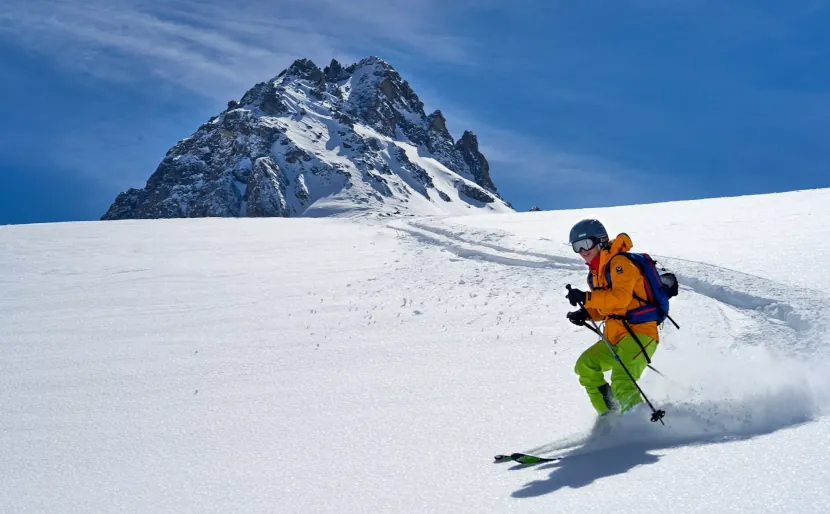
Early-season conditions may depend heavily on altitude. Resorts above 2,000 metres are likely to establish good cover more quickly, while lower resorts could rely on snowmaking if temperatures are marginal.
Mid-Winter (January–February)
Historically, these remain the most dependable months for Alpine skiing. If El Niño contributes to a more variable pattern, skiers may experience cycles of heavy snowfall followed by brief milder periods rather than long, uninterrupted cold spells.
Higher terrain should continue to hold excellent snow throughout much of the season.
Late Winter and Spring (March–April)
As the sun becomes stronger, slope orientation becomes increasingly important. North-facing runs retain colder temperatures and better snow quality, while south-facing pistes often soften significantly during the afternoon.
Why North- and South-Facing Slopes Matter
Many holidaymakers focus solely on total snowfall, but experienced skiers know that the direction a mountain faces can make a huge difference.
North-facing slopes:
- Receive less direct sunlight.
- Retain powder for longer.
- Stay colder after storms.
- Often provide better snow quality during warm periods.
South-facing slopes:
- Enjoy more sunshine and pleasant skiing in cold weather.
- Can soften quickly in mild conditions.
- May experience faster snow loss during spring or prolonged warm spells.
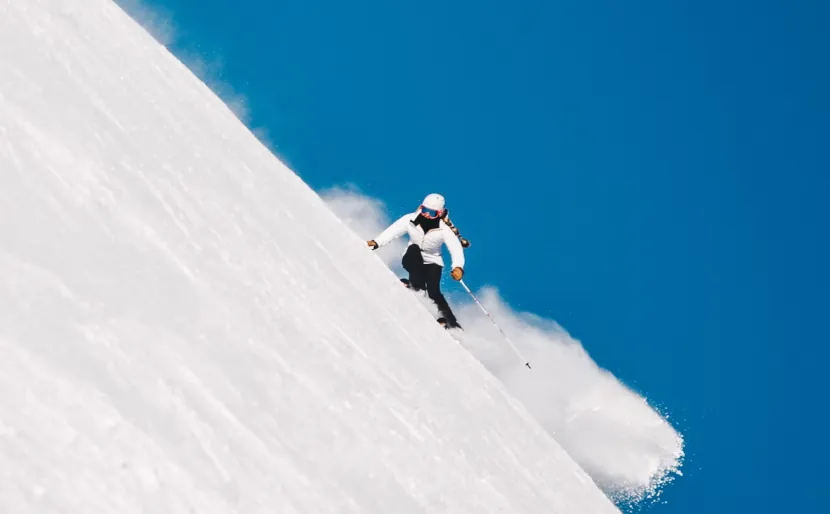
In a potentially variable winter, choosing a resort with a significant amount of north-facing terrain could be one of the simplest ways to improve snow reliability.
Resorts That Favour North-Facing Terrain
Several well-known Alpine destinations are particularly well positioned to preserve snow thanks to their topography:
- Val Thorens – High altitude combined with many north-facing bowls makes it one of Europe’s most snow-sure resorts.
- Tignes – Extensive north-facing terrain and glacier skiing help maintain excellent conditions.
- Val d’Isère – A varied mountain with many key sectors that hold snow exceptionally well.
- Les Arcs – Large shaded areas contribute to good snow preservation.
- Obergurgl-Hochgurgl – Renowned for dependable snow despite not being among the Alps’ very highest resorts.
Resorts With Significant South-Facing Terrain
These destinations are famous for sunshine and enjoyable cruising but may see conditions change more rapidly during warm spells:
- Alpe d’Huez – Nicknamed the “Island in the Sun” for good reason.
- Serre Chevalier – Offers extensive sunny skiing balanced by respectable elevation.
- Courchevel – Includes many south-facing sectors, with snow quality varying by altitude.
- Sestriere – Benefits from elevation but includes numerous sun-exposed slopes.
- Sauze d’Oulx – Popular for its sunny pistes and relaxed atmosphere.
Recommendations for Skiers
If forecasts continue to suggest a variable winter influenced by El Niño, the following strategies can improve your chances of finding great conditions:
- Prioritise resorts with skiing above 2,000 metres.
- Choose destinations with a high proportion of north-facing slopes if snow quality is your top priority.
- Book during January or February, when natural snow cover is typically at its most reliable.
- Consider resorts with strong snowmaking infrastructure as additional insurance.
- Remain flexible and monitor forecasts closer to departure rather than relying solely on seasonal outlooks.
Industry Insight
Comment from Mal Sargeant, Senior Sales Advisor at Skiline.co.uk
“When there’s the potential for a more variable winter, skiers naturally gravitate towards the resorts that offer the greatest snow reliability. High-altitude destinations with a large proportion of north-facing slopes tend to hold their snow exceptionally well and are often the first choice for experienced skiers. My advice would be to book early rather than wait for a last-minute deal, because if demand follows that trend, the most sought-after resorts are unlikely to have much availability left by the time winter arrives.”
Final Thoughts
While headlines about El Niño can create uncertainty, its influence on the Alps is neither simple nor deterministic. Excellent skiing is still entirely possible, particularly at higher elevations and on north-facing slopes that naturally protect snow from the sun.
For winter 2026/27, skiers should think beyond snowfall totals alone. The combination of altitude, slope aspect and modern snowmaking may have a greater impact on the quality of a holiday than any seasonal climate signal. By choosing resorts with these advantages, travellers can give themselves the best chance of enjoying outstanding conditions throughout the season.
Chat with our experts
For more information and to book your next ski holiday, call our ski holiday experts on:
020 8313 3999