Your ski or snowboard outfit is arguably one of the most important purchases you’ll make before heading off on your ski holiday.
The right clothing needs to keep the weather out, let unwanted heat and moisture escape and give you the freedom to move – while hopefully making you look good at the same time.
Today’s ski and snowboard wear combines clever technical fabrics and practical features with some seriously stylish designs.
Here’s our guide to staying warm, dry, comfortable and suitably stylish on the slopes this winter.
Evolution
The coming season’s ski fashion is more evolution than revolution. There is no single new invention poised to replace ski jackets or salopettes. Instead, the industry is improving familiar technology while changing the proportions and styling.
The biggest shift will probably be the move away from the narrow, race-inspired silhouette towards something looser and more expressive. Add a generous helping of 1980s nostalgia and the result is a ski wardrobe that looks both new and strangely familiar with considerably better waterproofing.
British skiers and snowboarders are likely to be wearing retro colours and prints competing with pared-back, minimalist shells this season.
For much of the past decade, ski fashion has favoured relatively slim, athletic cuts. That is now giving way to wider jackets and roomier trousers. The change is particularly noticeable in snowboarding, where oversized clothing has long been part of the culture, and the relaxed look is increasingly crossing over into mainstream ski wear. It is practical as well as fashionable because looser clothing accommodates more layers and allows greater freedom of movement… plus on-point wearability off the slopes.
Nostalgia is a major influence in other areas. Retro ski suits, bold colour blocking, and graphic prints are returning. One-piece suits and high-waisted salopettes are again becoming fashionable while bright colours and monochrome outfits are appearing side by side.
So, is anything genuinely new?
The answer is yes, but most of the visible fashion is a reincarnation of existing ideas. The most significant innovation is taking place beneath the surface. Shell construction, waterproof membranes, breathability, lighter insulation and more versatile layering systems continue to improve.
The distinction between ski clothing and everyday outdoor clothing is also becoming increasingly blurred. Technical jackets are now designed to work on the mountain, in the resort and back home, with understated styling and lighter construction becoming more important. Peak Performance’s new 2026 Treeline HIPE shell, for example, is explicitly designed to bridge technical outdoor performance and everyday use.
Made to last longer
Sustainability is another area where the fashion industry is attempting to move forward, although the most visible change is often in materials and manufacturing rather than in the shape of the garment.
Brands are increasingly promoting recycled materials, PFC-free water-repellent treatments, repair services and longer-lasting products.
Most brands now highlight PFAS-free DWR treatment on outer fabrics, and many brands and retailers operate a repair service.
But the headline fashion itself is familiar. The baggy snowboard cut is back; retro ski glamour is back; bold graphics are back. The difference is that these old ideas are being combined with better waterproofing, lighter fabrics and more sophisticated layering.
Dave Whitlow, ski fashion director at Ellis Brigham, gives his recommendations for budget, mid and high-end pieces. Dave has years of experience, having started buying ski and snowboard clothing at the end of the ‘80s.
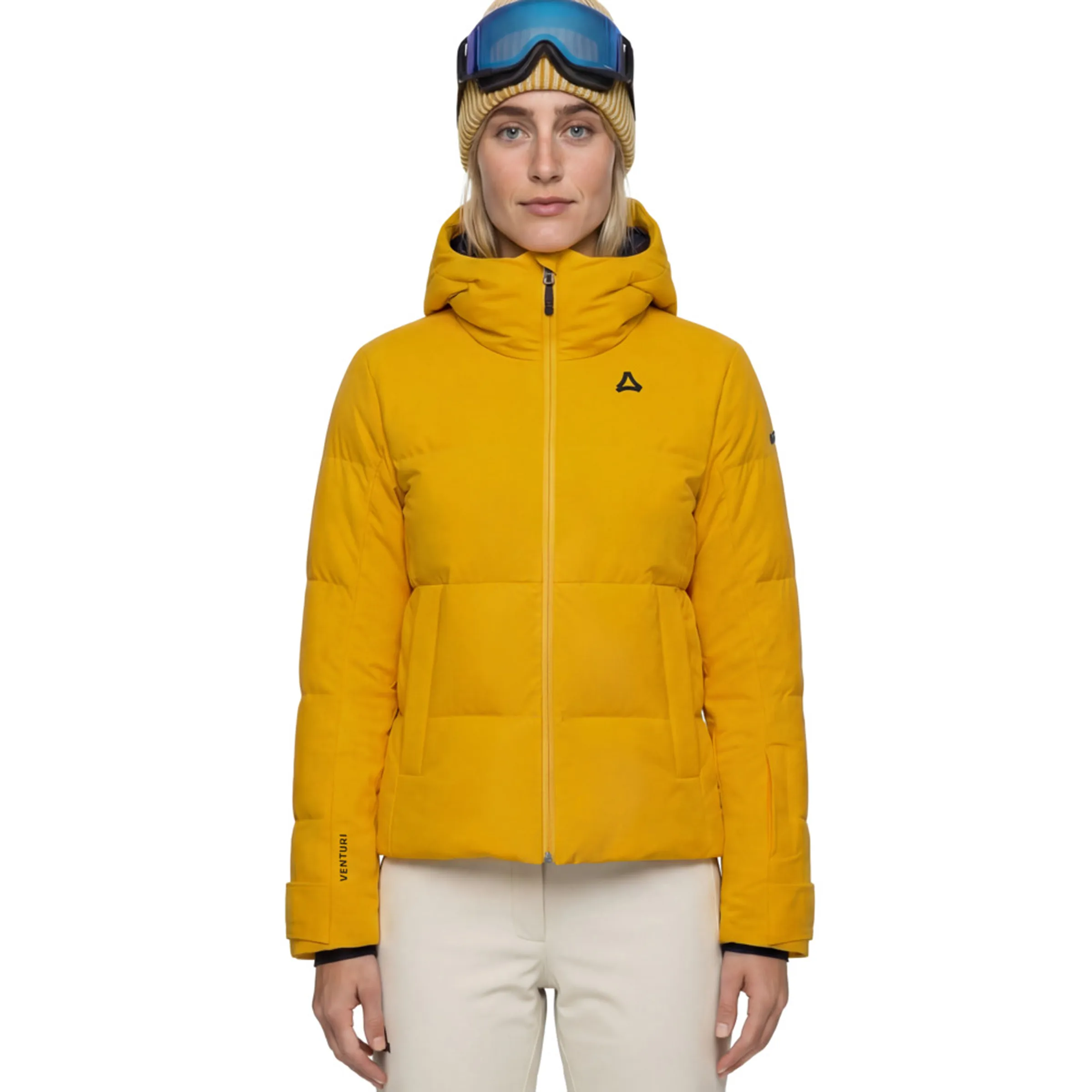
Budget
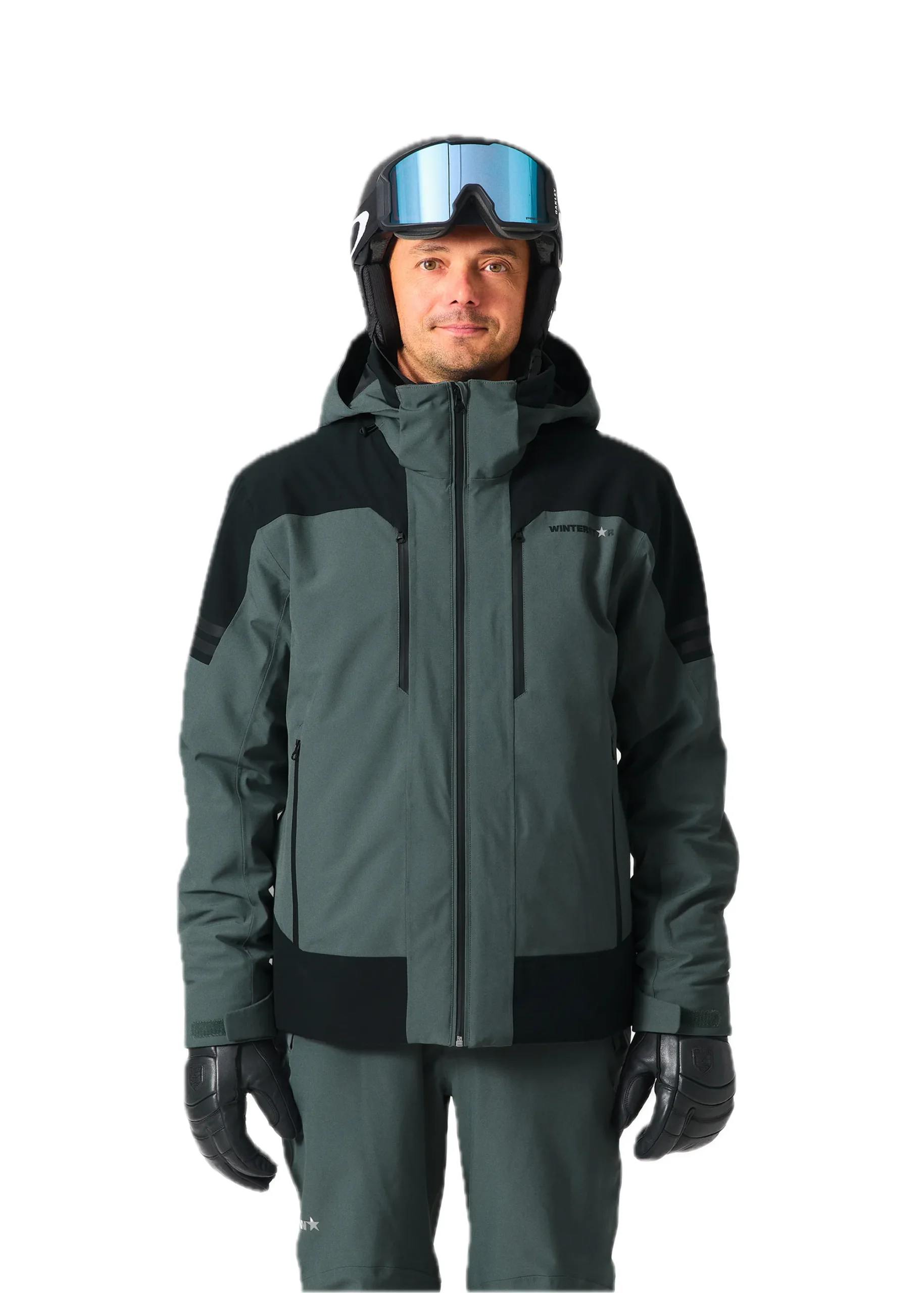
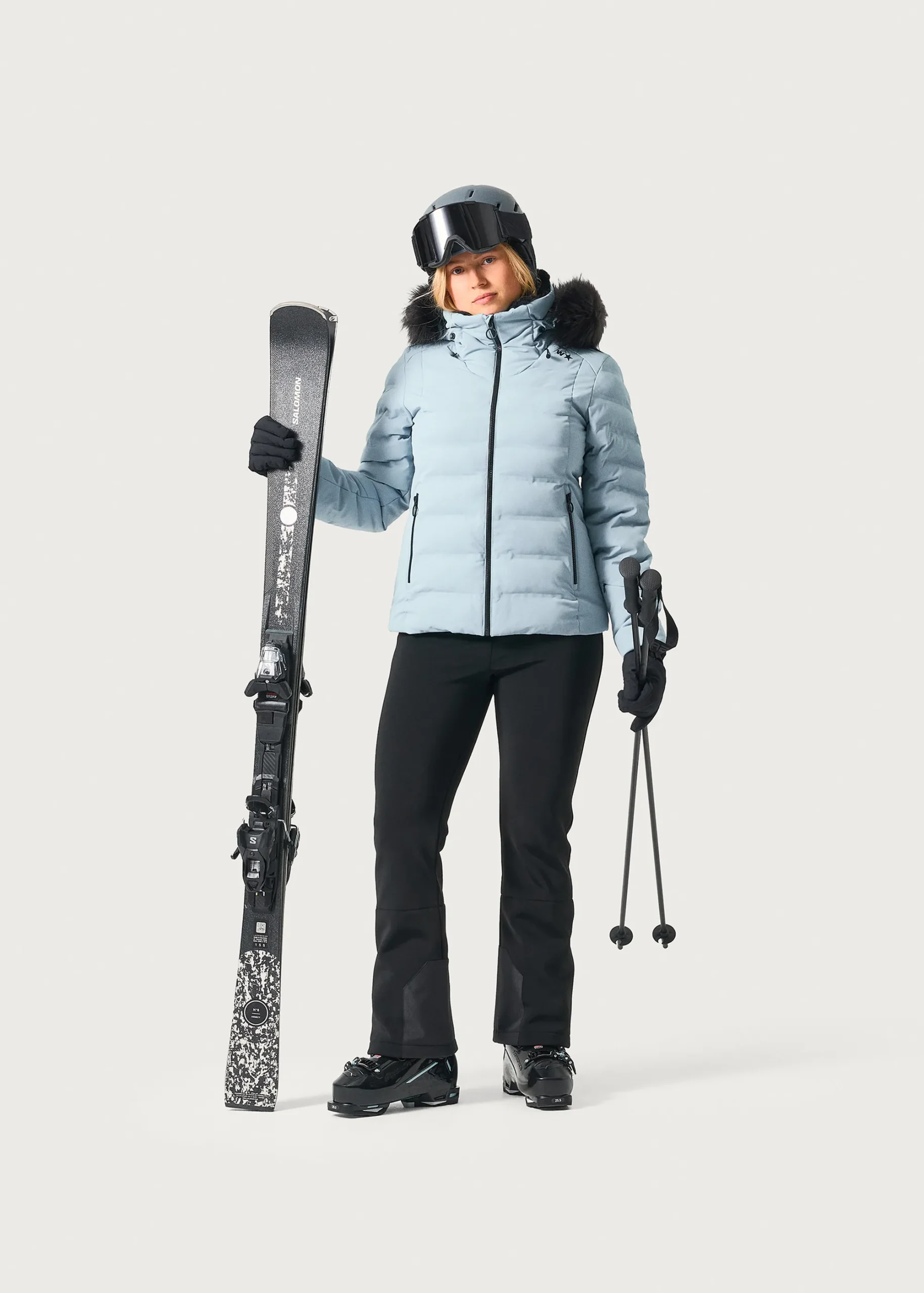
For the price-conscious British skier, the biggest sellers are likely to be practical, easy to wear, and more than good enough for a regular resort ski holiday. Winterstar is a strong example of this category: affordable ski jackets and trousers with good technical fabrics and all the features needed for resort skiing.
The fashion trend at this level is either a younger (or young-at-heart) baggier fit from brands like Mountain Hardwear and Picture, or classic ski styling from brands like Winterstar. The appeal is obvious. Many British skiers only use their clothing for a week or two each year, but these jackets also work well for UK winters… so the £200-£300 prices are easier to justify.
Expected budget look: relaxed tucked-up jacket with baggy trousers, or classic alpine fits and colour-blocked styling.
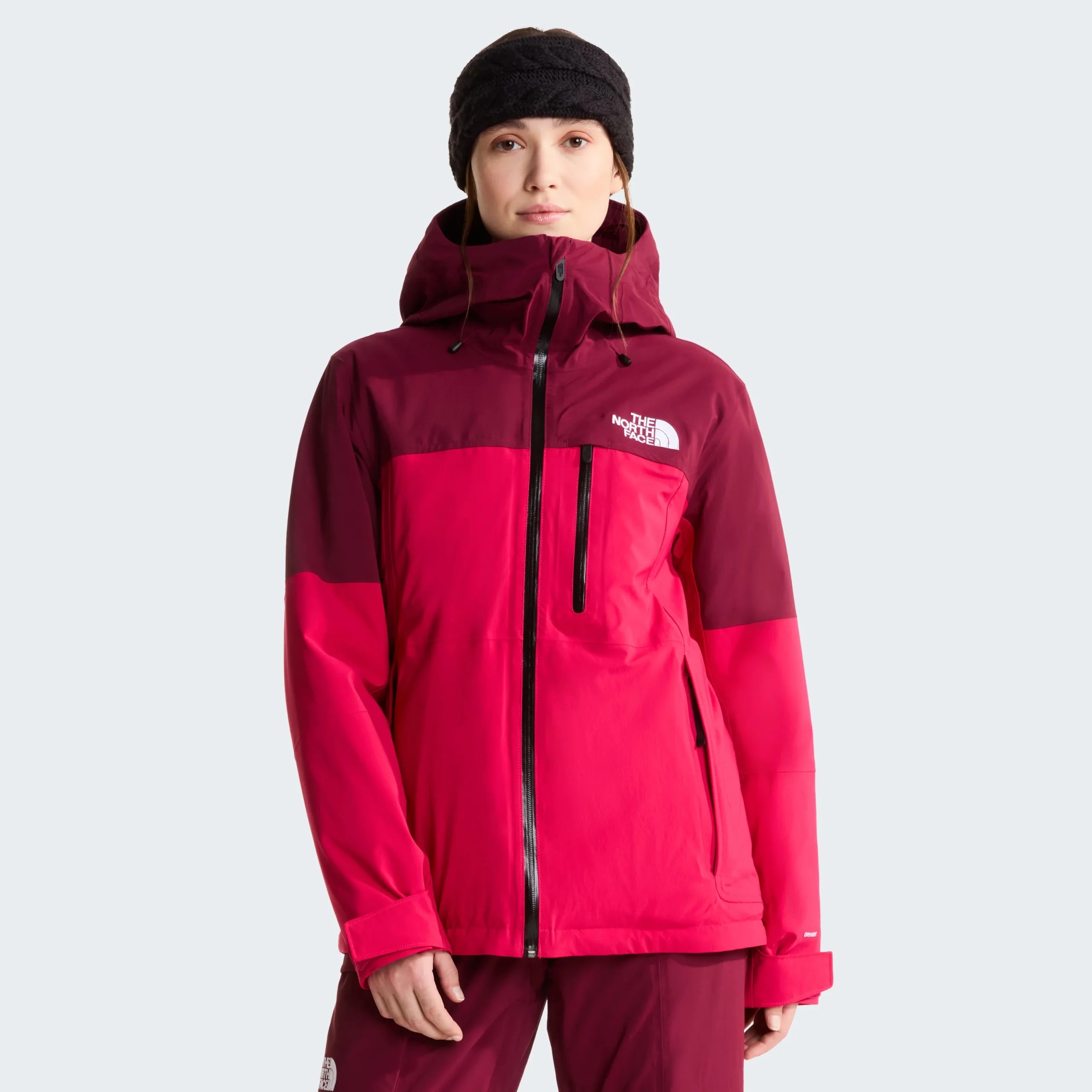
Mid-range
The mid-market is likely to be the sweet spot for many UK buyers. Brands such as The North Face and Schöffel offer a combination of recognisable technical credentials and prices that remain below the luxury end of the market.
Good levels of waterproof and breathable protection compete with higher-priced brands, styles are packed with useful skier-focussed features, and fits are more engineered than those offered at the entry level. Most styles offer a good level of technical insulation, without feeling bulky, delivering a balanced micro-climate and all-day comfort.
This is also where the coming season’s fashion trends are likely to be most accessible. A skier can buy progressive styling and on-trend looks without paying luxury prices.
Expected mid-range look: For men, a well-fitting, insulated technical jacket, matching or contrasting ski pants and a strong but wearable colour from the classic alpine palette—greens, reds, blues and yellows; single colour or colour blocked. Women’s styles tend to feature more single colours, monochrome elegance and tight stretch ski pants.
High end
At the top end, many serious skiers and snowboarders looking to venture away from the pistes are likely to continue moving towards high-performance shell systems rather than heavily insulated ski fashion jackets.
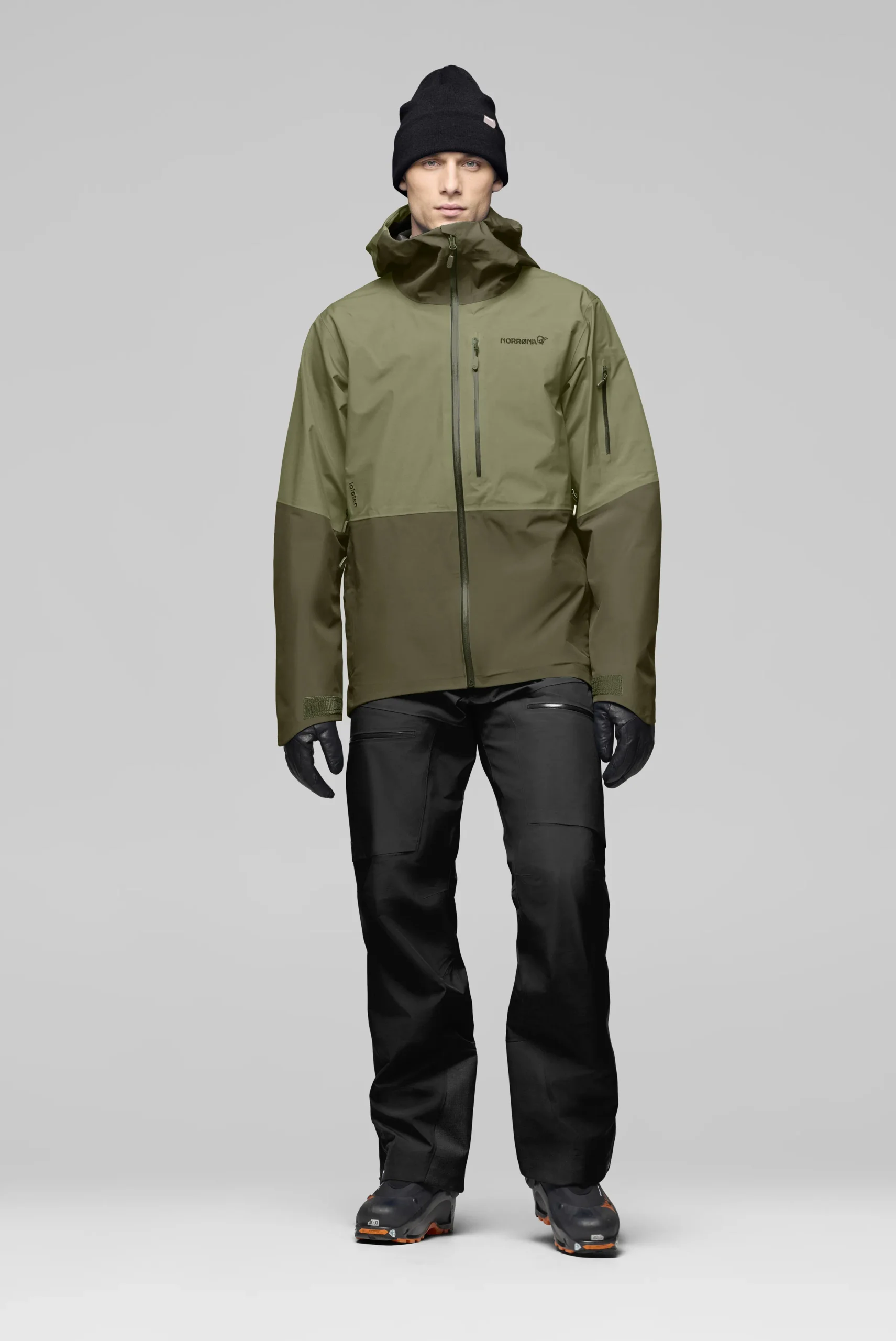
Norrøna’s premium range illustrates the direction: three-layer shells or thin, body-mapped insulation, GORE-TEX fabric construction, high waterproof ratings and technical designs intended to be layered according to conditions. Norrøna’s Lofoten GORE-TEX 3-layer jacket comes in at £550, with matching pants at £500
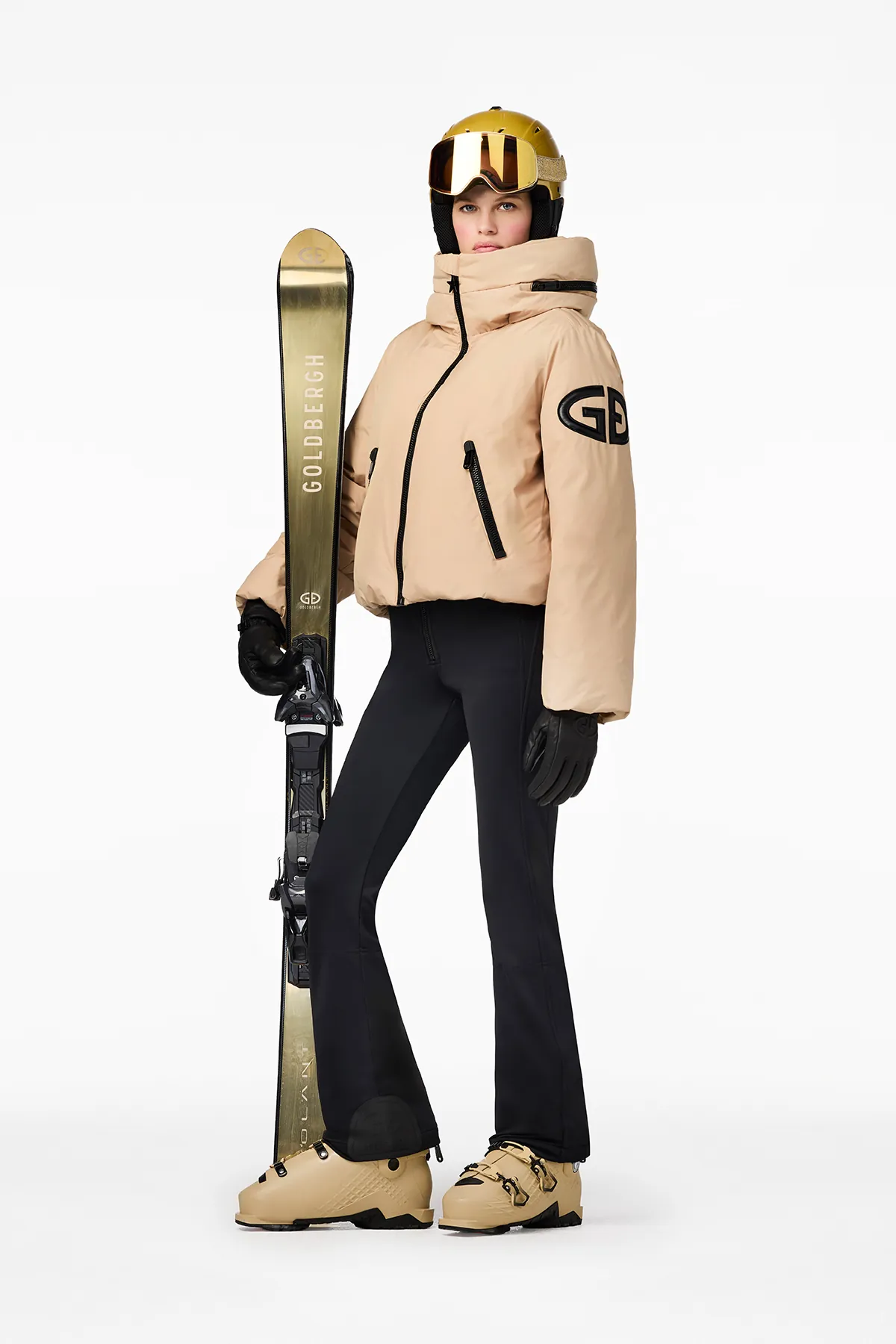
There is still a very popular high-end ski fashion market, where the finest stretch waterproof/breathable fabrics combine with sophisticated down and synthetic insulation in incredible three-dimensional tailored garments that deliver luxurious comfort and stunning good looks for the resort skier. Brands like Descente and Goldbergh excel in this area of the market.
Expected high-end look: clean, technical three-layer shell jackets and pants, relaxed, but engineered to follow skier movement, worn with sophisticated layering. At the other end of the high-end market, expect high-glamour elegance and head-turning prints for women, and broad-shouldered stealthy sophistication for men.
To find the best places to look good in your new or existing ski and snowboard wear, talk to the experts at Ski Line. They can provide advice on a vast choice of resorts and accommodation to suit all budgets and abilities. Talk to the experts by using the contact details below or online via the chat facility.
Chat with our experts
Thinking about skiing this winter? Give us a call, tell us when you want to travel, who’s coming and roughly what you’d like to spend, and we’ll help you find somewhere that gets the balance of snow reliability, skiing and value right.
020 8313 3999