Skiing and snowboarding has always carried an element of risk. Long before hashtags and helmets, avalanche danger, high-speed tumbles, and mid-slope collisions were part of the reality of spending time in the mountains.
The difference now is how visible those incidents have become. A crash on a piste or a close call in avalanche terrain can circulate online within hours. These incidents are amplified by social media feeds that make isolated events feel far more frequent than they once appeared in the public eye.
In North America, many ski areas have been dealing with this reality for years. Strict slope rules are not just guidelines but actively enforced conditions of use. Ski patrol teams at resorts across the United States and Canada are known to issue on-the-spot penalties, including taking away lift passes from those who ski or snowboard recklessly, ignore closed piste signs, or repeatedly exceed safe speeds in crowded areas.
The approach is preventative as much as punitive, built around the idea that visible consequences help shape behaviour before accidents happen.
Europe, with its vast and varied ski terrain and a traditionally more relaxed approach to on-mountain policing, is now moving in the same direction.
While alpine countries have long prioritised avalanche forecasting and rescue infrastructure, the emphasis on behavioural enforcement and crowd management is relatively new.
Against this backdrop, European resorts are rethinking what safety measures there should be in a modern ski environment. Ski areas are expanding avalanche awareness programmes, tightening slope etiquette messaging, and investing in on-mountain infrastructure designed to reduce risk without diminishing the mountain experience.
Chamonix-Mont-Blanc, France
Chamonix has expanded its ‘Respect the Slopes’ campaign, with multilingual signage reinforcing FIS rules and real-time messaging on lift screens.
Ski patrollers run daily ‘micro-briefings’ at key lift hubs, highlighting avalanche risk in the Vallée Blanche and reminding visitors that controlled slopes still carry hazards when conditions shift quickly.
Zermatt, Switzerland
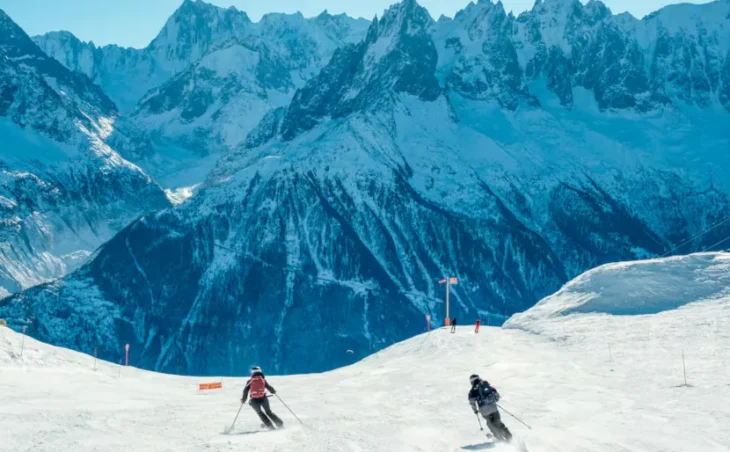
Zermatt has doubled down on preventative education, particularly for international visitors unfamiliar with Alpine conditions. The resort has integrated avalanche transceiver checkpoints at key cable car stations and introduced QR-code-based slope maps that update live risk zones.
Ski schools now include mandatory safety modules for group lessons, focusing on speed control and overtaking etiquette on shared pistes, where most collisions tend to occur.
St Anton, Austria
St. Anton am Arlberg has expanded its ‘Arlberg Safety Compass’ programme. This initiative combines avalanche awareness workshops with on piste ‘flow management,’ which involves ski patrollers monitoring congestion points. Traffic can then temporarily be redirected if somewhere becomes overcrowded during peak hours.
The resort has also increased enforcement of reckless skiing rules, and pisteurs have the power to revoke lift passes for repeated dangerous behaviour.
Cortina d’Ampezzo, Italy
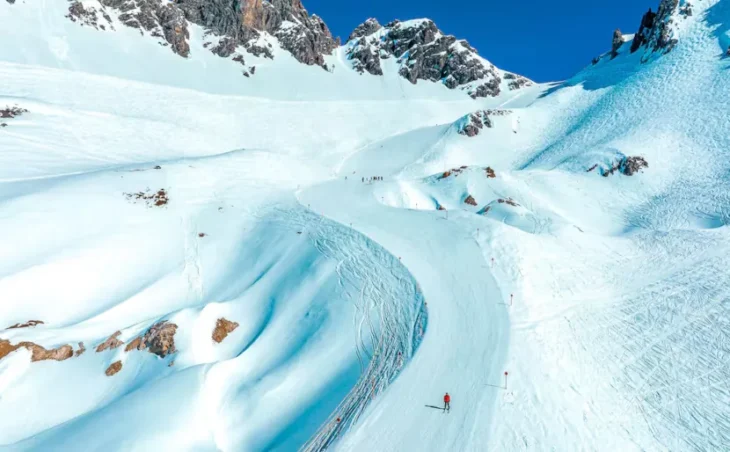
Cortina is focusing on balancing tourism growth with safety on its pistes. The resort has introduced digital speed awareness zones, where skiers receive visual prompts if they exceed recommended limits in high-traffic areas.
Avalanche education is also available to skiers and snowboarders queuing for lifts via short video loops. This, says the resort, helps normalise safety messaging as part of the overall on piste experience rather than as an optional extra.
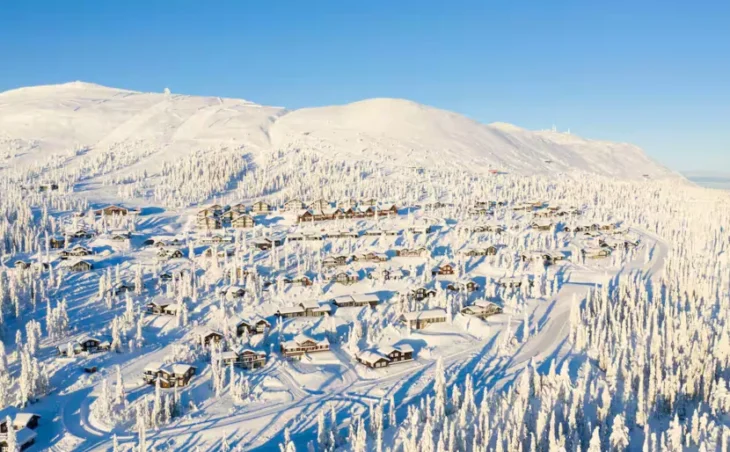
Trysil, Norway
Trysil, the country’s largest ski resort, has taken a systems-based approach. With many family and beginner skiers, the focus is on preventing collisions through terrain design and clear zoning.
Wider beginner runs and ‘quiet zones’ near ski schools has helped reduce accidents and collisions. The resort also works closely with local rescue services to run weekly avalanche awareness sessions for backcountry visitors, reflecting the growing popularity of off-piste exploring.
Safety first on your ski holiday: A Summary
Taken together, these resorts reflect a broader European trend. Safety is no longer treated as an ‘add on’, but as an active, visible part of skiing and snowboarding education.
Resorts are aiming to strike a balance between improving safety awareness among skiers and snowboarders while at the same time preserving the sense of enjoyment that draws people to the mountains in the first place.
For more info on the resorts mentioned above, and the range of accommodation available through Ski Line, speak directly to the experts at Ski Line using the contact details below, or the online chat facility. You will find these contact details on the Ski Line website.
Chat with our experts
For more information and to book your next ski holiday, call our ski holiday experts on:
020 8313 3999