The 2026/27 season isn’t just about resorts simply building more lifts, it is about making the entire ski holiday faster, more comfortable, and more flexible.
The modern ski resort is becoming less about how many kilometres of piste it can offer and more about how good an experience it can provide from the moment you arrive until the moment you leave.
Faster, bigger and more comfortable lifts
The Alps are in the middle of another substantial lift-modernisation programme. There is approximately more than 100 new or refurbished lifts this season, including around 26 in Austria, 30 in the French Alps and more than 50 in the Italian Alps.
Ischgl/Samnaun in Austria is replacing three lifts with new eight-seater chairs featuring weather hoods and heated seats. The new Höllkarbahn, which will take skiers and snowboarders up towards Höllkar in around five minutes, can carry up to 4,200 people an hour. It is part of a €50m improvement programme aimed at providing skiers and snowboarders with more comfort and a better flow the flow around Idalp.
In Zermatt, one of Switzerland’s top resorts, the four-seater Patrullarve chair, which has been operating since 1989, is being replaced by a six-seater running between Patrullarve and Blauherd in the Sunnegga–Blauherd sector of Zermatt’s Matterhorn Ski Paradise
The French resort of La Tania, in The Three Valleys, has a new eight-person gondola which replaces the existing 12-person transport.
Although that sounds like a reduction in capacity, the new lift will now be able to transport 2,800 passengers an hour between La Tania village, at 1,400m, to the upper station Gros Murger, at 1,850m. It is part of the continuing modernisation of the Three Valleys network.
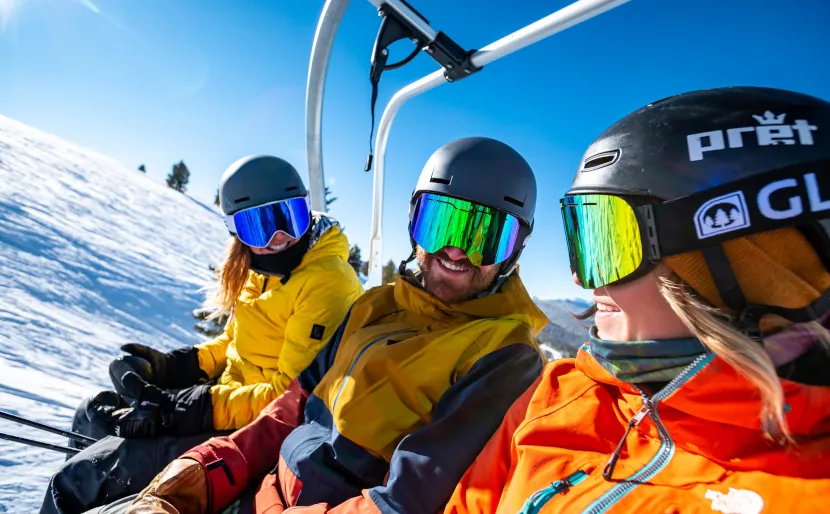
Lift passes are becoming more flexible
The days when everybody bought a six-day lift pass are increasingly changing. Resorts are introducing more flexible products and dynamic pricing.
Ski passes are becoming more flexible, too. In Switzerland, Zermatt’s new Flex Pass for 2026/27 allows holidaymakers to choose from options such as four skiing days within six or five within seven, rather than tying them to consecutive days.
It can also cover the linked Italian resorts of Cervinia and Valtournenche, giving visitors greater freedom to ski according to the weather, snow conditions or simply their mood.
The Three Valleys in France is offering passes ranging from one day through to 21 days.
Serfaus-Fiss-Ladis in Austria has introduced a similar approach for holidaymakers. Its 2026/27 tariff includes 5 days out of 7, 6 out of 7 and 10 out of 14 lift passes.
In simple terms it enables British skiers and snowboarders to go on a week’s skiing holiday without having to commit to skiing every day. It will particularly suit those who want to take a day off skiing to go sightseeing, enjoy a spa day, or simply because you fancy a day relaxing, particularly if the weather is bad.
Traditional lift passes continue to rise in price in most major destinations. For British skiers and snowboarders, this makes taking advantage of any offers, and packages that include a lift pass, more important. Families and occasional skiers could potentially save on the cost of a lift pass by choosing a smaller area rather than shelling out for a large, linked area.
High-altitude resorts invest in areas above the tree line
Resorts are increasingly treating the mountain itself as part of the holiday experience rather than simply somewhere to ski down.
Val Thorens in France is developing the Cime Caron summit at 3,200m into a destination in its own right. It opened to visitors in January this year but has been further developed during the summer.
The new Caron 3200 complex combines a 130-seat panoramic restaurant, Europe’s highest wine bar, rooftop terrace, snack bar, boutique and an events space. Visitors can take in the 360-degree views across more than 1,000 Alpine peaks.
The development reflects the resort’s determination to make better use of its greatest natural asset – altitude. With the Cime Caron cable car now back in service, the summit is becoming as much a place to spend time as a place to ski from.
Resorts are also responding to changing snow conditions. The Three Valleys, for example, will open Val Thorens and Orelle on 21 November 2026, well before the rest of the linked area, and keep them operating until 2 May 2027. The French resort of Val d’Isère plans to operate from 28 November to 2 May.
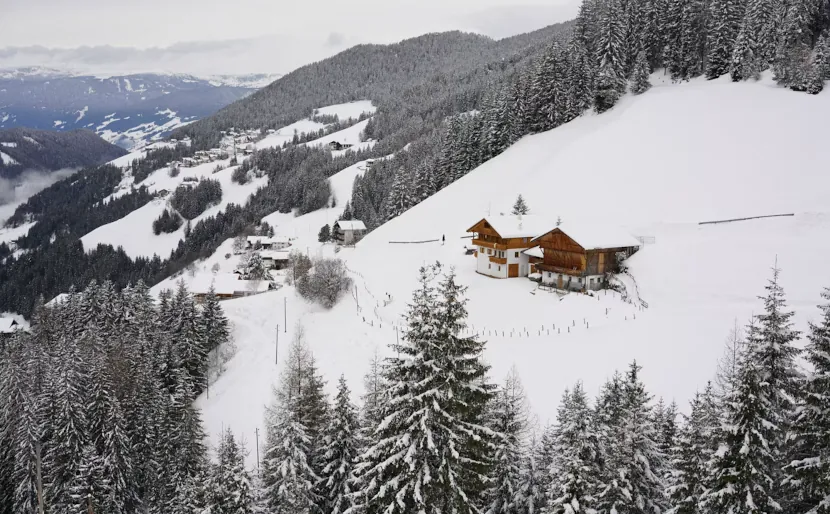
New upmarket accommodation
There is still plenty of new accommodation being built, but the emphasis is very much on ski-in/ski-out, wellness and luxury rather than simply adding beds.
Many ski holidays are now being marketed as a complete lifestyle experience, skiing during the day followed by good food, wellness, entertainment and luxury accommodation, rather than simply a cheap bed close to a lift.
Resorts are adapting
One of the biggest underlying changes isn’t a particular lift or hotel but the way resorts are responding to shorter, more flexible and more experience-driven ski holidays.
Some destinations are putting more emphasis on early and late-season skiing at altitude.
These are just some of the changes UK skiers and snowboarders can expect to see in resorts this winter. As the new season approaches, we’ll keep you up to date with the latest hotels and accommodation, lift upgrades, and other exciting developments taking place across the mountains.
For more info on new developments, and lift pass offers, plus the range of accommodation available through Ski Line and any early booking offers, speak directly to the Ski Line experts using the contact details, or online chat facility. You will find these contact details on the Ski Line website.
Chat with our experts
For more information and to book your next ski holiday, call our ski holiday experts on:
020 8313 3999